

Under the cold glow of conservation lighting, a needle slides through century-old metallic thread to resurrect a dress that once commanded the silver screen without uttering a single word. That hands-on restoration is just one scene inside “Goddesses in the Machine”, New York’s ambitious showcase recovering the lost physical wardrobe of silent cinema.
The groundbreaking exhibition officially opened its doors on September 18 at the Bard Graduate Center Gallery. It brings together nearly 200 preserved artifacts, reframing the history of cinematic style before talking pictures arrived to overturn the craft.
The Short Version
- “Goddesses in the Machine: Fashion in American Silent Film” opened September 18, 2026, at the Bard Graduate Center Gallery in New York, running through January 3, 2027.
- The showcase features nearly 200 rare garments, sketches, accessories, and film clips from the 1910s and 1920s before the arrival of sound.
- Early silent film stars originally provided their own high-fashion wardrobes, collaborating directly with couturiers like Lucile and Madame Frances before studios built internal wardrobe departments.
- Doctoral researchers Sydney Maresca and Jaya Misra are actively reconstructing two lost historical dresses on-site during the run of the exhibition.
Inside the Workshop Rebuilding 1920s Movie History
Tucked within the gallery space is a fully operational conservation studio. Visitors can stop and watch doctoral researchers Sydney Maresca and Jaya Misra actively reconstructing two historic garments on-site.
Their focus is locked on Mae Murray’s spellbinding gown from 1924’s Circe the Enchantress and an intricate dress worn by Irene Castle in 1922’s No Trespassing. Every seam requires intense detective work.
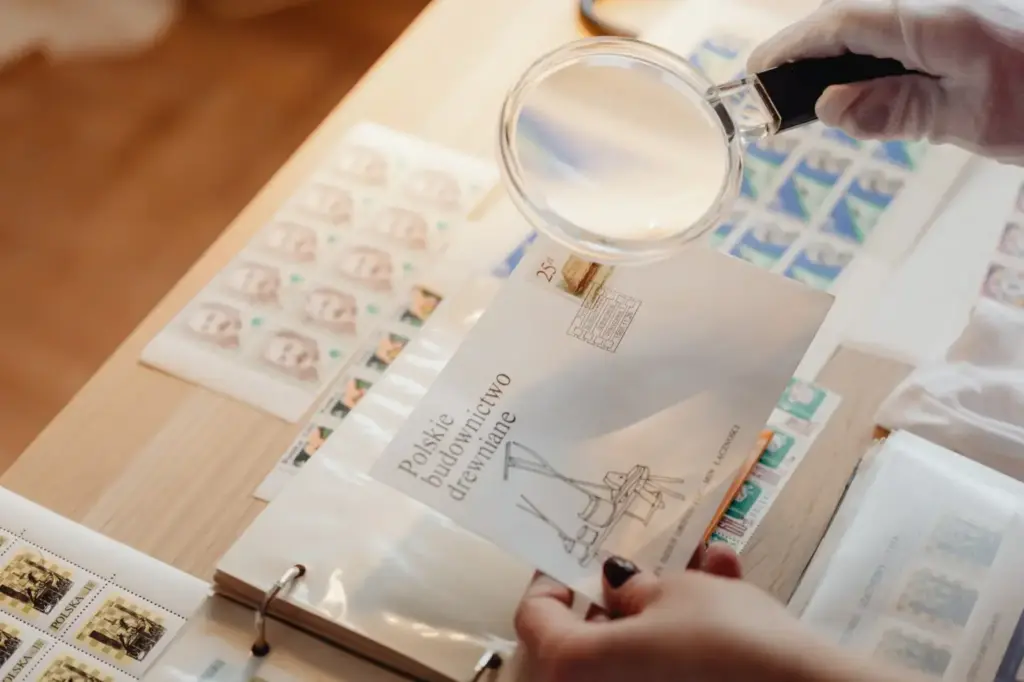
The workspace is covered in steel pins, fragile antique silk, and magnifying lenses. Because the original physical patterns vanished decades ago, the researchers have to decipher garment construction purely by studying grainy, black-and-white celluloid frames.
They pause footage frame by frame to trace the drape of a sleeve or the drop of a waistline. It is slow, exacting labor that bridges historical scholarship and manual dressmaking.
Most cinema history courses emphasize the genius of male studio executives and directors like D.W. Griffith. Yet the entire visual illusion on the screen rested on the tactile, physical craft of women operating behind the lens.
Without their structural handiwork, the screen icons of the 1920s would have had no presence at all. Understanding the evolution of film costume design requires looking at these needles and pattern pieces, where cinematic identity truly originated.
The 200 Surviving Relics That Escaped the Archive Bin
Titled Goddesses in the Machine: Fashion in American Silent Film, the exhibition surveys the first three decades of twentieth-century cinema style. It is the first major institutional show explicitly devoted to silent-era screen fashion.
The survival of these specific garments is an outright statistical miracle. Film historians estimate that roughly 80 percent of all silent films are permanently lost, but the survival rate of the costumes is even smaller.
Early production studios viewed clothes as studio overhead, not artistic heritage. Wardrobe departments routinely sheared hemlines, dyed fabrics black, stripped beads for subsequent films, or simply tossed worn garments into the incinerator.
Co-curators Dr. Michelle Finamore, an acclaimed fashion and design historian, and Bard Graduate Center associate curator Emma Cormack spent years tracking down the pieces that evaded destruction. Their efforts yielded a startling collection of evening wear, accessories, production sketches, and vintage film clips.
The installation pairs breathtaking couture pieces from high-end retail institutions like Henri Bendel and shoe pioneer I. Miller with period posters. Seeing these surviving textiles arranged beside flickering projector screens underscores the physical craft that defined early motion picture spectacle.
When Actresses Had to Supply Their Own Wardrobes
During the 1910s, Hollywood costume departments did not exist. Motion picture production was an informal, rapid business, and studios expected performers to show up on set carrying their own trunks of clothes.
If an actress played a society heiress, an impoverished immigrant, or a saloon dancer, she was personally responsible for assembling that character’s wardrobe. The system put massive financial pressure on performers, but it also granted them extraordinary creative control.
Early screen stars dictated their own aesthetics. They chose their silhouettes, selected their trims, and built recognizable visual identities that defined their personal brands on screen long before the studio system stripped away their autonomy.
To outshine rivals, savvy stars bypassed everyday stores and formed direct creative partnerships with top tier fashion houses. Performers placed custom orders with iconic couturières like Madame Frances and Lucile, the fashion house run by Lady Duff-Gordon.
Irene Castle worked closely with Lucile to craft fluid, unbound silhouettes that let her move effortlessly. These relationships predated modern brand ambassadorships by nearly a century, proving that silent movie stars essentially laid the groundwork for iconic cinema fashion moments through their own enterprise.
Why Black-and-White Screens Demanded Sartorial Overdrive
Silent cinema operated under severe technical limitations that modern viewers rarely consider. Dr. Michelle Finamore explained the stakes when the exhibition was unveiled: “When film was silent, fashion spoke volumes. For the first time, we will tell the story of costume at the advent of cinema.”
Without spoken dialogue, a gown had to communicate an immense amount of narrative information in seconds. A character’s social standing, moral purity, psychological turmoil, or deceit was read directly through her cuffs, collar, and hemline.
Early orthochromatic film stock complicated matters further. The emulsion was sensitive primarily to blue and ultraviolet light, meaning reds and yellows registered as muddy black on screen, while pale blues read as stark white.
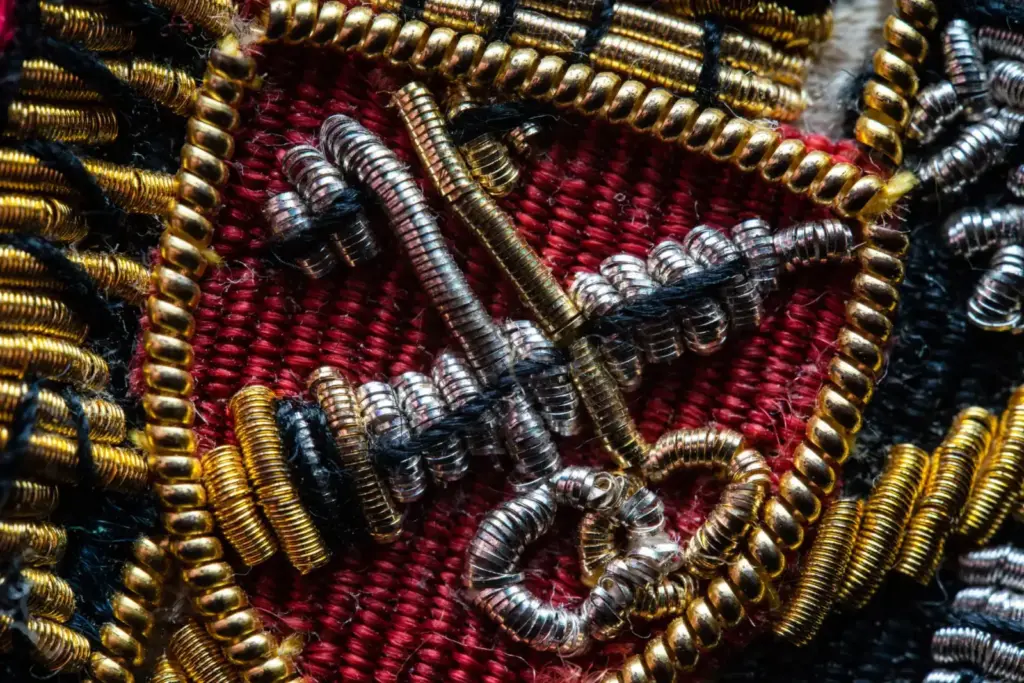
Cinematographers and actresses could not rely on color contrast to build drama. Instead, they relied on tactile surfaces: heavy metallic lamé, iridescent bugle beads, cascading ostrich plumes, and mirrored sequins that captured harsh studio lights.
As Finamore noted, “The lack of audible dialogue activated synergy between costume and cinematic spectacle, illuminating the significant role material culture plays in these early films.” Every movement of a fringed sleeve or shimmering hem created a visual cadence that substituted for dialogue, cementing the foundation for vintage Hollywood red carpet fashion history.
The Pioneers Hollywood Forgot to Credit
As films expanded in length and budget during the late 1910s, the practice of actors dressing themselves became unsustainable. The industry required organized departments, giving rise to cinema’s earliest dedicated costume designers.
Clare West emerged as one of the most critical figures in this industrial shift. Working on massive productions, she established professional costume shops, organized wardrobe tracking systems, and demonstrated that cinematic dressing required specialized theatrical construction rather than simple street couture.
When film was silent, fashion spoke volumes.
The exhibition also shines a necessary spotlight on Travis Banton, whose early silent work previewed decades of cinematic tailoring, and Indigenous actress Lilian St. Cyr, also known by her stage name Red Wing. St. Cyr’s screen presence offered a sharp counterpoint to typical studio archetypes, bringing distinct material traditions and self-styled identity to early Western films.
Yet, as Hollywood consolidated power into vertically integrated studio machines in the 1920s, the women who developed these techniques were systematically pushed aside. Studio hierarchies favored male executives, and screen credits rarely acknowledged the seamstresses and designers who engineered the industry’s entire aesthetic universe.
The Abrupt 1928 Divide and the Death of Silent Style
The entire visual culture of silent cinema slammed to an abrupt halt in 1928. The introduction of synchronous sound cinema, celebrated with the explosion of “talkies,” instantly dismantled the techniques performers had spent two decades perfecting.
Sound equipment was primitive and hypersensitive. Bulky overhead microphones picked up every ambient noise on set, including the physical rustle of garments.
Heavy silk taffeta, clinking glass beads, stiff metallic brocades, and stiff starched petticoats became liabilities. Sound engineers demanded softer, quieter fabrics like matte crepes, wools, and chiffons that would not hiss or rattle into the audio feed.
Actresses were suddenly rooted to the spot, forced to project toward hidden microphones instead of expressing character through broad, dynamic movement. The wild, experimental ornamentation of the silent screen evaporated almost overnight, replaced by the sleeker, dialogue-driven requirements of 1930s studio films.
The silent era was not an awkward, primitive prelude to real cinema. It was an unrepeatable, self-contained golden age of visual couture that thrived under conditions sound film could never replicate.
Walking New York’s Definitive Silent Fashion Archive
Those wanting to witness these historical textiles up close have several months to plan a visit. Goddesses in the Machine is open at the Bard Graduate Center Gallery, located on Manhattan’s Upper West Side, where it will run through January 3, 2027.
The exhibition joins a select group of must-visit fashion museum exhibitions to see in New York. It features rotating public programming alongside the live conservation workshop conducted by Maresca and Misra.
Modern fashion designers and celebrity stylists still routinely copy the silhouettes forged between 1910 and 1928. Every time a pop star steps onto a modern step-and-repeat in a sheath of glass fringe or liquid metallic lamé, they are quoting an aesthetic invented by silent screen pioneers.
These preserved garments are not static relics hidden under glass. They are the original architectural blueprints of modern visual celebrity culture, proving that long before Hollywood found its voice, fashion had already said everything.
Questions People Are Asking
Where and when can I see the ‘Goddesses in the Machine’ exhibition?
‘Goddesses in the Machine: Fashion in American Silent Film’ is on view at the Bard Graduate Center Gallery in New York City. The exhibition opened on September 18, 2026, and runs through January 3, 2027.
Why are costumes from the silent film era so rare today?
Original silent film costumes are exceptionally rare because studios routinely altered, dyed, cut down, or recycled wardrobes for later productions. Coupled with the loss of approximately 80 percent of silent films, very few original garments survived.
Which designers and stars are featured in the exhibition?
The exhibition showcases work by pioneering designers Clare West, Travis Banton, and Lucile (Lady Duff-Gordon), department stores like Henri Bendel, and screen icons including Irene Castle, Mae Murray, and Indigenous actress Lilian St. Cyr.