
Down to just five individual birds in 1980, the black robin pulled off the greatest comeback in conservation history. Now, the tiny Chatham Islands survivor has officially taken New Zealand’s political crown.
The plucky songbird outpaced heavyweight avian royalty in an election that gripped an entire nation. The victory crowns four decades of relentless field biology and sheer species grit.
The Short Version
- The black robin (karure/kakaruia) took first place in New Zealand’s 2026 Bird of the Year election with 25,610 votes.
- The 2026 contest logged over 105,000 total ballots, marking the largest voter turnout in the competition’s history.
- Every single one of the roughly 350 surviving black robins descends from ‘Old Blue’, the only fertile female alive in 1980.
- Conservationists are using the win to build support for a crucial third predator-free island sanctuary.
The Dark Horse That Crushed the Heavyweights
On Monday, September 21, 2026, conservation organisation Forest & Bird declared the official results of its annual Bird of the Year race. The black robin, known as karure in Moriori and kakaruia in Māori, captured the top spot with 25,610 votes.
The win capped a voting period that completely shattered previous participation records. More than 105,000 ballots rolled in by the time polls closed on September 20, marking the largest turnout the competition has ever documented.
The podium race proved fierce right down to the final count. The black robin comfortably held off the world-famous kākāpō, which finished in second place with 19,445 votes. Third place went to the kārearea, New Zealand’s native falcon, with 17,423 votes.
The massive surge in participation reflected genuine local excitement across the country rather than international ballot-stuffing. As AFP and the Malay Mail reported, Forest & Bird representative Rebecca Hatch celebrated the turnout: “This year has seen record numbers of votes with 105,000 people choosing their favourite. New Zealanders have really shown up for nature. Roughly one in every 50 Kiwis voted.”
Beating perennial favourites like the kākāpō is no easy feat. The beloved flightless parrot usually dominates public votes through sheer charisma and heavyweight celebrity. This time, voters rallied behind a tiny, dark-feathered underdog with an extraordinary past.
Meet Old Blue: The Matriarch Who Cheated Oblivion
The black robin’s rise to the top of the ballot is staggering when you look back at 1980. That year, the species reached an absolute crisis point. The global population plunged to just five surviving individuals on Earth.
Of those five birds, only two were capable of breeding: a male dubbed “Old Yellow” and a single fertile female known as “Old Blue.” The entire fate of a species rested on one pair of wings. Extinction seemed inevitable.
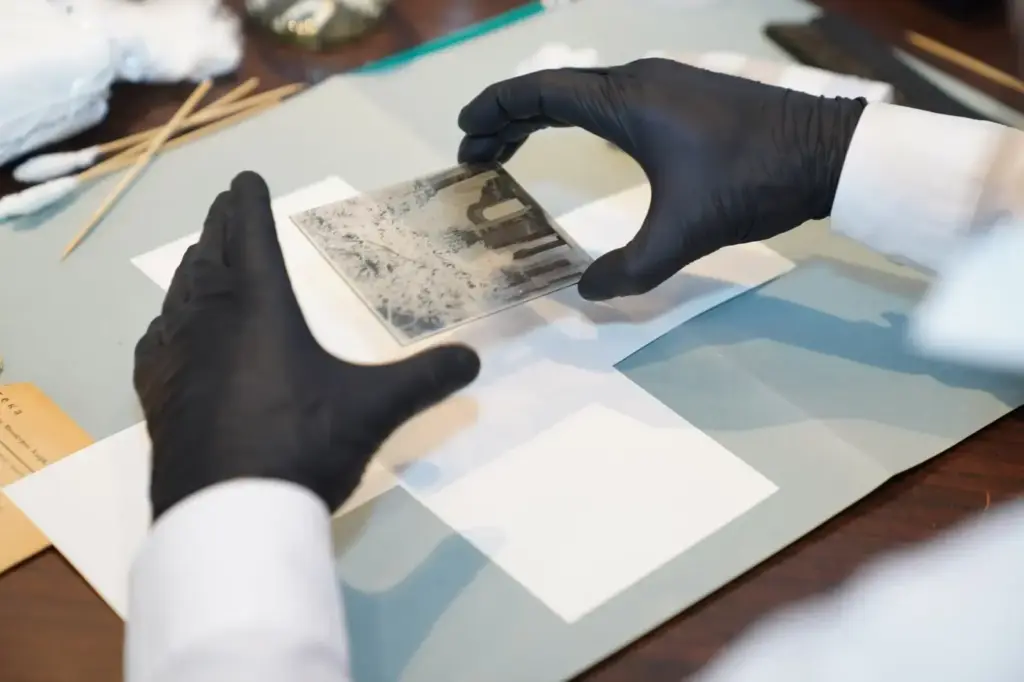
Enter pioneering conservation scientist Don Merton. Merton and his wildlife service crew refused to watch the species fade into history. They launched a bold, high-risk cross-fostering programme in the remote Chatham archipelago, an effort that ranks among legendary Endangered species conservation victories.
Merton’s team took Old Blue’s eggs and placed them directly into the nests of Chatham Island tits. These foster parents incubated the clutches and raised the chicks as their own. Once Old Blue lost her clutch, her natural instincts kicked in, prompting her to lay another batch right away.
The strategy supercharged egg production. Instead of producing a single clutch each season, Old Blue laid multiple sets, giving the rescue team a real pipeline of viable chicks. The gamble worked. Every single black robin hopping through the bush today carries Old Blue’s direct genetic heritage.
Inside New Zealand’s Fiercest Avian Democracy
Over the past two decades, Forest & Bird’s annual poll has evolved into a uniquely intense democratic tradition. It routinely sparks impassioned online debates, celebrity endorsements, and strategic smear campaigns among bird enthusiasts. New Zealanders take New Zealand wildlife and native birds seriously, treating each ballot like a true civic duty.
Recent years saw the contest tangled in high-profile overseas viral stunts and quirky outcomes, including Bird of the Year controversial past winners. But the 2026 election belonged squarely to domestic voters. Official figures confirmed that roughly 88% of all ballots originated within New Zealand.
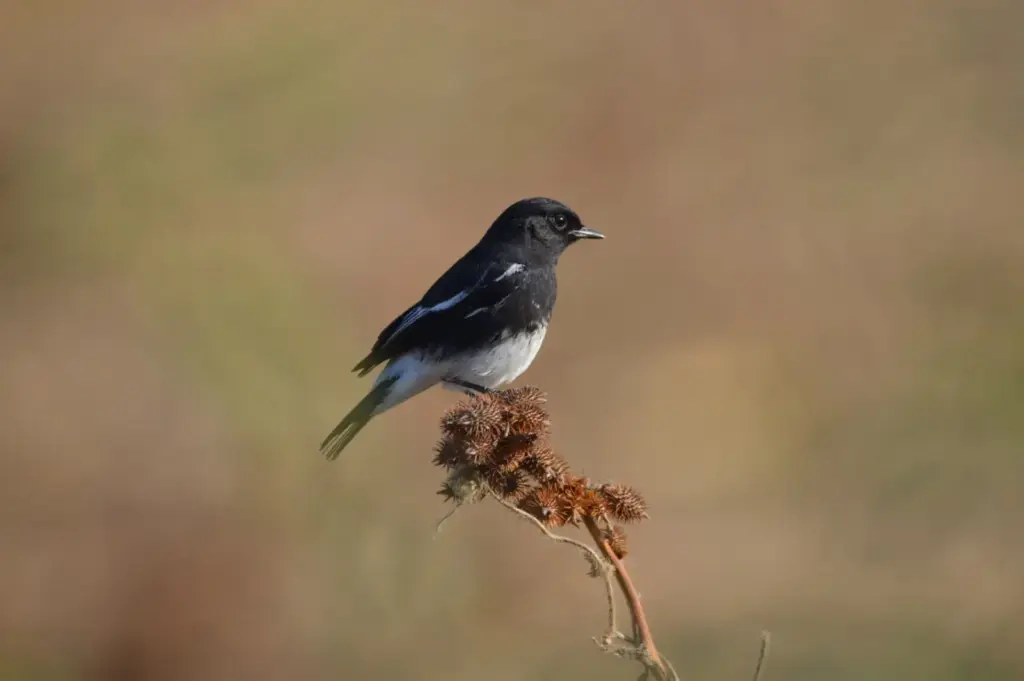
The black robin campaign captured the national mood with a mix of gothic charm and sheer survival grit. Dressed in jet-black feathers with wide, soulful eyes, the karure cuts an unforgettable figure. Campaigners framed the bird not just as a vulnerable native species, but as a living symbol of stubborn, defiant hope.
That message struck a chord with voters. While the kākāpō campaigned on its chubby charm and the kārearea flaunted its speed, the black robin won hearts on pure perseverance. Kiwis rallied behind a bird that had stared down oblivion and refused to quit.
“This year has seen record numbers of votes with 105,000 people choosing their favourite. New Zealanders have really shown up for nature. Roughly one in every 50 Kiwis voted.”
A Population Rebound With Dangerous Bottlenecks
While the ballot win brought huge celebrations, field biologists know the black robin remains in a precarious position. The jump from five birds in 1980 to roughly 350 adults living today is remarkable, but the species is far from completely safe.
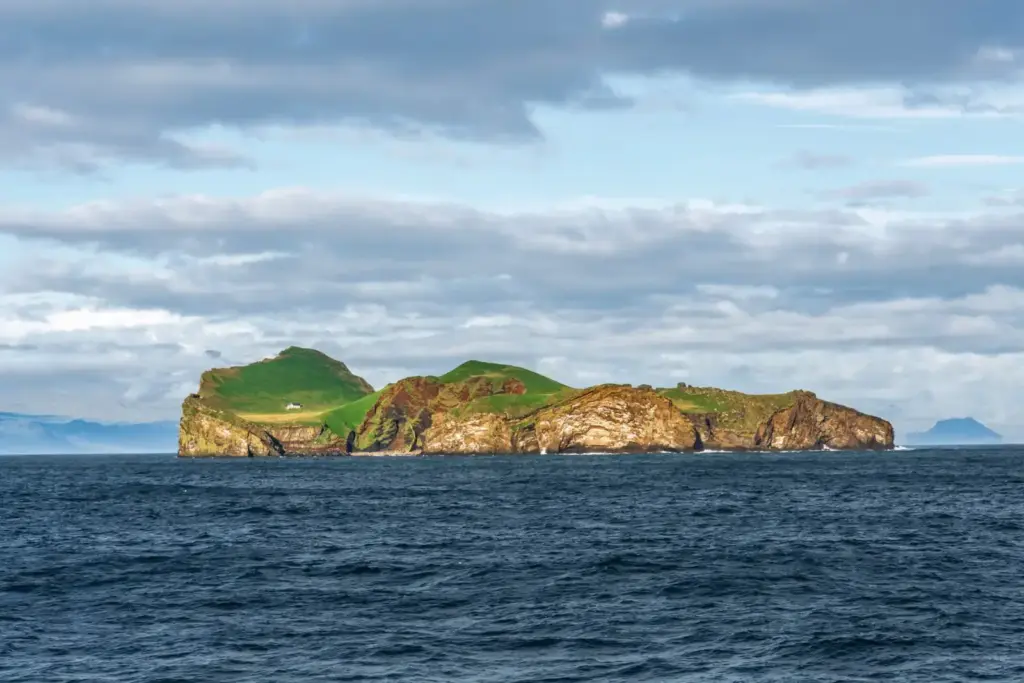
Those 350 birds live entirely across two small predator-free island nature reserves in the Chatham Islands, roughly 800 kilometres east of the New Zealand mainland. Because introduced mammalian predators like rats and feral cats wiped out their original homes, these offshore havens remain their only refuge.
The deepest threat now hides in their DNA. With every living bird tracing its lineage back to Old Blue, the black robin faces an extreme genetic bottleneck. Inbreeding leads to low hatching success, reduced immune responses, and heightened vulnerability to unexpected diseases.
Physical space also poses a real barrier. The two current island havens are approaching ecological carrying capacity. Their canopy can support only so many breeding territories before competition for insects, shelter, and nesting cavities triggers severe territorial fights.
The Search for Island Number Three
To secure a genuine future for the karure, conservationists are turning this wave of public excitement into immediate field action. The top priority on their agenda is establishing a third predator-free sanctuary within the Chatham archipelago.
Setting up a new haven takes immense resources and years of preparation. Field teams must clear targeted islands of all introduced pests, fence off vital boundaries, and allow native forest canopies to regenerate before introducing founder birds. These efforts build on decades of experience developing Predator-free island sanctuary projects.
Once habitat quality checks out, scientists will carefully select and relocate founder flocks from the two existing islands. Moving birds creates an insurance policy against disaster. If a freak storm, fire, or accidental rodent invasion hits one reserve, the species survives on the others.
Winning Bird of the Year gives conservation advocates a massive spotlight. By converting over 25,000 first-place votes into institutional support and conservation funding, rangers hope to turn viral adoration into tangible acres of protected bush. For 350 birds sharing one famous great-grandmother, a third island home cannot come soon enough.
Questions People Are Asking
Which bird won New Zealand’s Bird of the Year in 2026?
The critically endangered black robin (known as karure in Moriori and kakaruia in Māori) won New Zealand’s 2026 Bird of the Year title, securing first place with 25,610 votes.
How many votes did the black robin get to win Bird of the Year?
The black robin captured 25,610 votes out of a record-breaking 105,000 ballots cast. It beat out the kākāpō in second place with 19,445 votes and the kārearea falcon in third with 17,423 votes.
Why did the black robin almost go extinct?
By 1980, habitat destruction and introduced predators decimated black robins down to just five birds. The species was saved when conservationist Don Merton cross-fostered eggs from ‘Old Blue,’ the sole fertile surviving female, using Chatham Island tits.
Where do black robins live today?
Today, approximately 350 adult black robins live on two predator-free island nature reserves in the remote Chatham Islands archipelago, located roughly 800 kilometres east of the New Zealand mainland.